LinkedIn networking for international students in the US
How international students can use LinkedIn to find sponsorship-friendly roles: who to reach, how to ask about sponsorship plainly, and a weekly routine.
The short answer
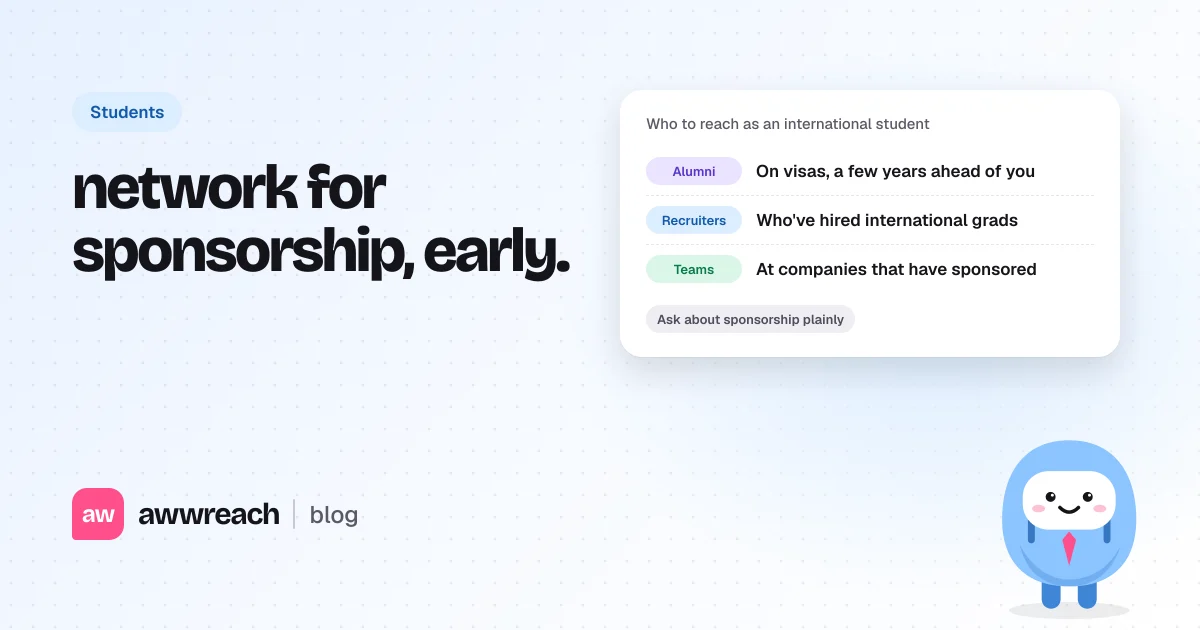
Start networking a year before you graduate. Reach three groups first: international alumni from your school who are a few years ahead, university recruiters, and hiring teams at companies that have sponsored visas before. Ask about sponsorship early and plainly, in one line, so you don't spend weeks on roles that can't support you. Keep a steady weekly routine and lean on alumni, who are often the most generous.
On this page
#Why does networking matter more for international students?
Many postings don't say whether a role can sponsor a visa, and applying blind means a lot of wasted applications. People inside companies can tell you quickly whether a team has hired international graduates, how the process worked and which roles are realistic. A short conversation can save weeks.
Timing matters too. On an F-1 visa, Optional Practical Training (OPT) gives you up to 12 months of work authorisation, and eligible STEM graduates can apply for a 24-month extension (USCIS). Check current rules with your school's international student office, since your plans depend on them.
#Who should international students reach first?
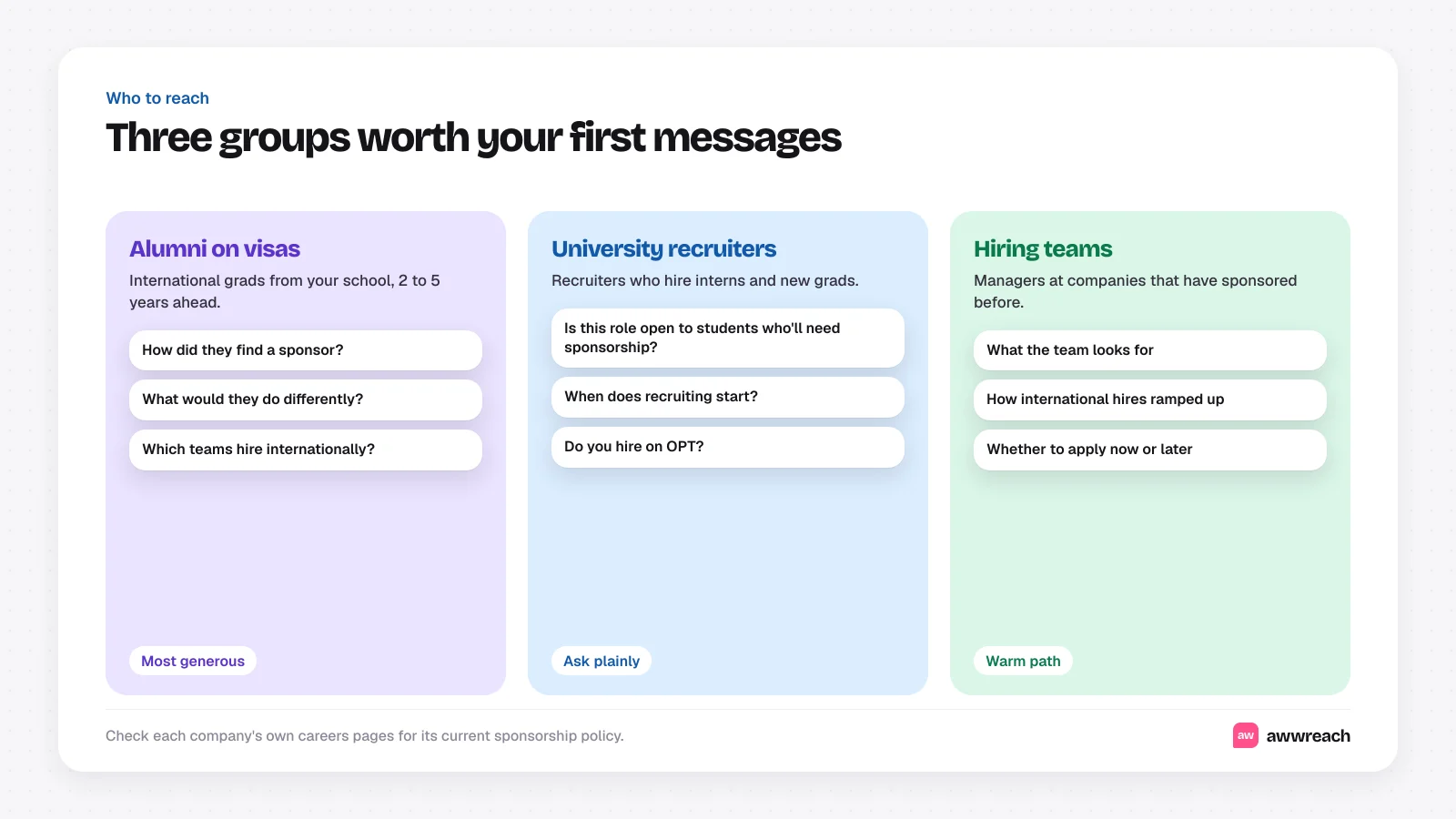
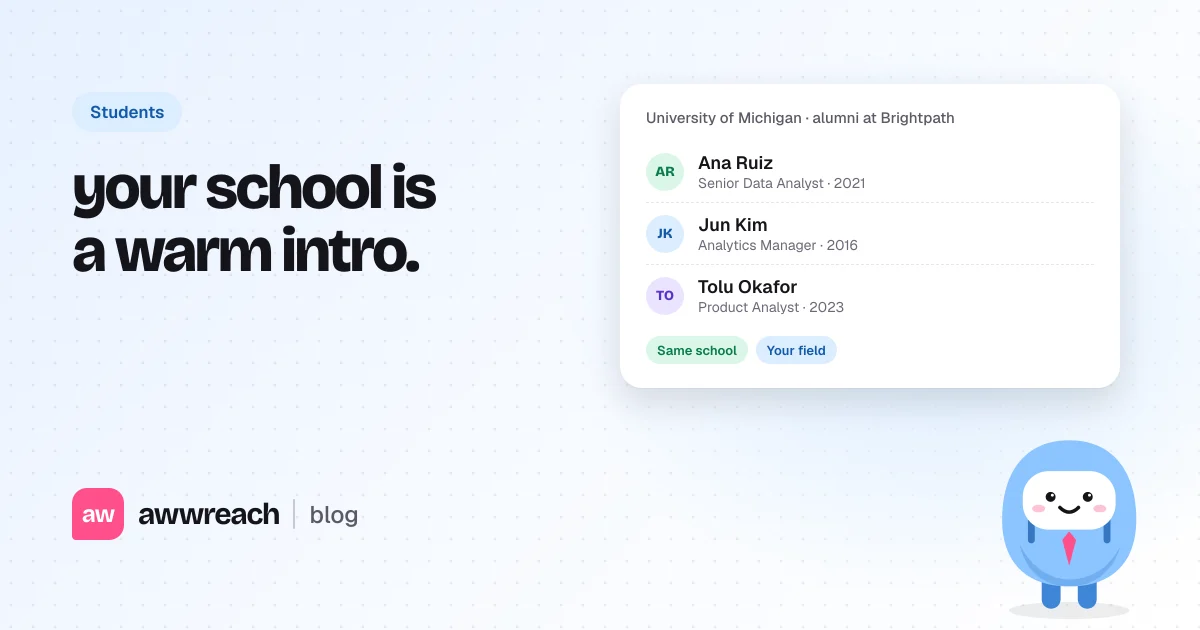
- International alumni from your school
Search your school's alumni and look for people from your home country or who studied on a visa, two to five years ahead. Ask how they found a sponsor and what they'd do differently.
- University recruiters
They run intern and new grad hiring and know the policy. Ask directly whether a role is open to candidates who will need sponsorship.
- Teams at companies that have sponsored
Ask alumni which companies sponsored them, then reach a manager or teammate on a relevant team there.
For finding alumni at specific companies, see how to find alumni on LinkedIn.
#How do you ask about visa sponsorship?
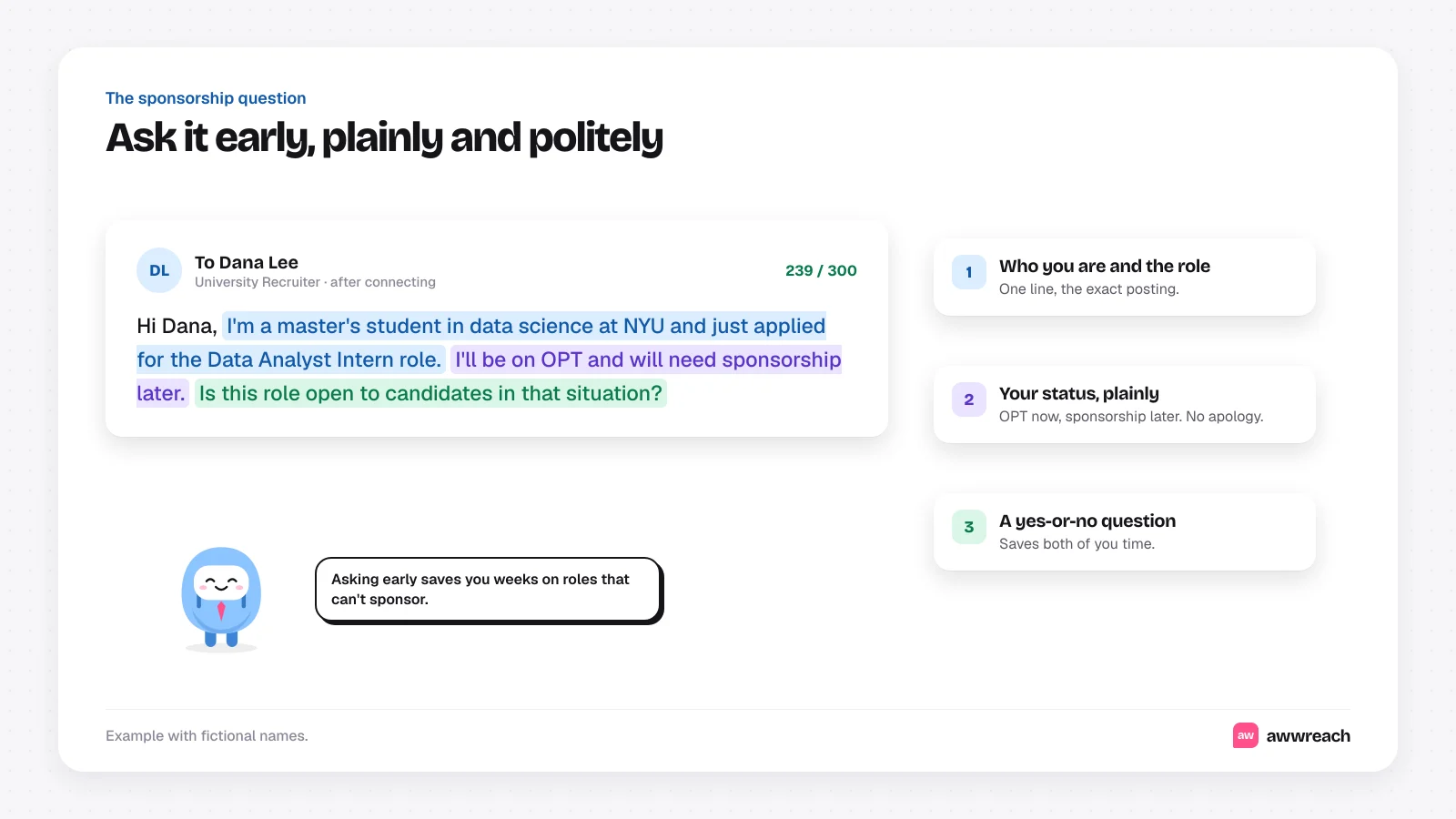
Say it once, plainly, without apologising. These are examples, not real messages.
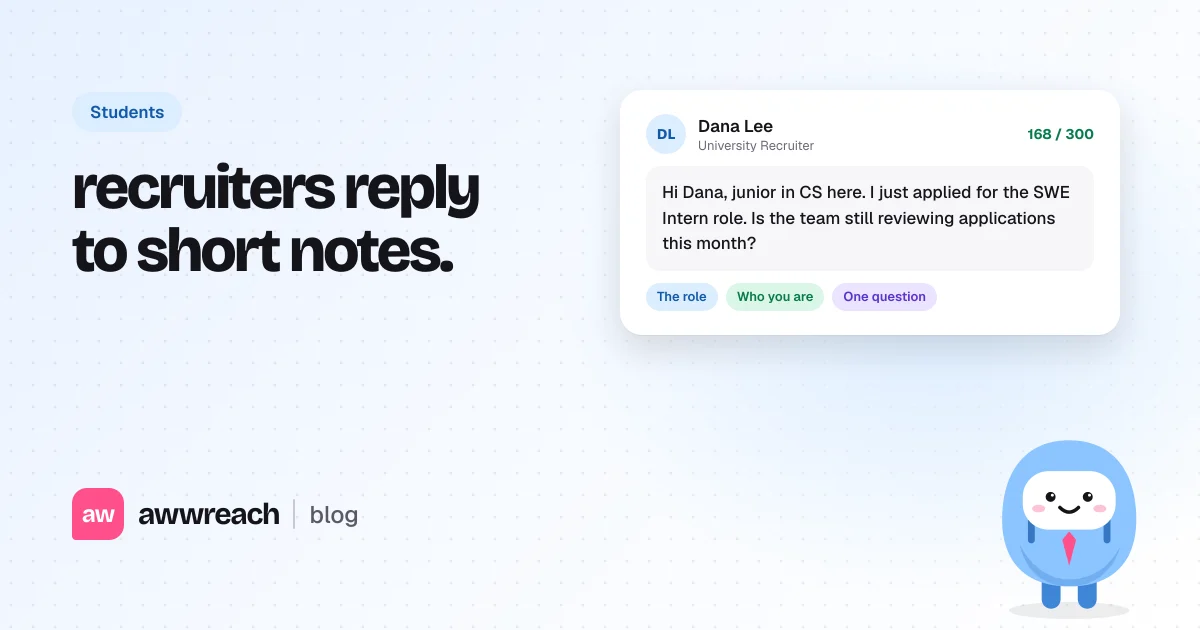
Hi Dana, I'm a master's student in data science at NYU and just applied for the Data Analyst Intern role. I'll be on OPT and will need sponsorship later. Is this role open to candidates in that situation?
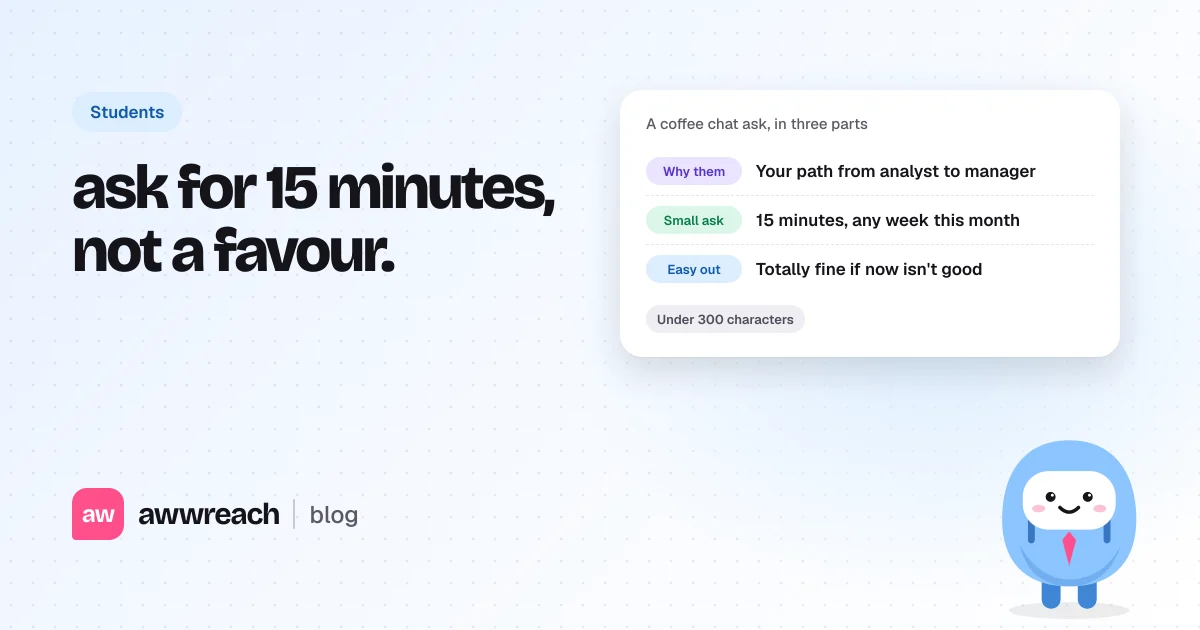
Hi Wei, fellow USC grad here, also from Shanghai. I saw you joined Brightpath on OPT. Would you be open to sharing how you approached sponsorship with them? Fifteen minutes would mean a lot.
#A weekly routine that fits around classes
- Monday: find three new alumni or teammates at companies on your list.
- Tuesday to Thursday: send short, personal connection notes and one follow-up that's due.
- Friday: book or hold one coffee chat, and apply to two or three roles that are open to sponsorship.
Keep a simple list of which companies have sponsored before, based on what alumni tell you. It becomes your shortlist. For the conversation itself, see how to ask for a coffee chat on LinkedIn.
#Making the routine stick
In awwreach, the Alumni bridge playbook connects with alumni using a note about your shared school, says hello once they accept and tags anyone who replies positively, so you know who to book a chat with. The daily job trigger catches new postings for your exact title and adds the manager, a teammate and alumni at each company.
#Your network is your sponsorship map
The people who got sponsored before you know which companies, teams and roles are realistic. Start early, reach them first, and ask the sponsorship question plainly. A few honest conversations make the rest of your search far more focused.
Frequently asked questions
Reach international alumni from your school, university recruiters and teams at companies that have sponsored before. Ask short, specific questions and keep a steady weekly routine.